
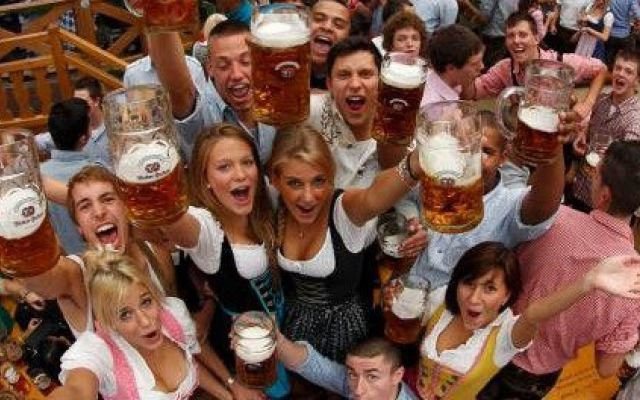
The origin of Oktoberfest dates back to the celebration surrounding the wedding in the German city of Munich. The future king of Bavaria, Ludwig I, was married to Princess Therese in 1810. A big event was organized outside the city walls and all the people were invited to the grand occasion. The first time, there were horse races and the people loved it so much that the same activity had to be done the following year. Afterwards, there was an agricultural event that happened the next year. The practice was passed on until the exhibition became part of history. The only times that it was not presented was during crisis or war.
Sellers offered various food and drinks during the event. There were so many attractions as well for both kids and adults like rides, food stands and contests. Throughout the turn of the 19th century, millions of people visited Munich annually to witness the different performances as well as participate in some of the games and fun moments. In Bavaria, the festival was referred to as “The Wies’n.”
The wedding of the crown prince and princess actually happened on October 12. The feast continued for more than two weeks. When Germany was reunited in 1990, Oktoberfest was changed so that it ends on October 3, also known as Unity Day in the country. The celebration generally involved tasting and drinking several beers, wines and spirits. The goal for many was to exhaust the underground cellars were a lot of beer was stored so that new ones can be brewed the following year. There are six main breweries in the city that headline Oktoberfest. The Purity Order stated that all beer should be made in the city, although there were so many kinds of drinks present. Furthermore, it ordered that only barley, water and hops should be the ingredients in beer-making.
The steins in Germany originated from stone tankard during the 1300s. During that time, it was a clean and safe container for drinks and over time, became more popular throughout the continent. Lids with hinges were provided to further keep the drinks from spilling and maintaining their freshness. Other models were also introduced, although these steins were spread all over Germany. Today, steins are quite rare, although people may still see these on display. Germans still celebrate Oktoberfest in the same way they did centuries ago. They still celebrate on the streets and drink beer from morning until evening, thinking that they can empty the beer cellars. Germans are avid wine and beer drinkers. They are proud of their creations and some of the local brands are internationally known and acclaimed. The beer and spirit business in Germany continue to thrive and these are exported to other countries because of their great taste and originality.
Over the years, other countries also adopted the practice of drinking beer and wine in the month of October. Others still refer to the event as Oktoberfest and also have their own way of celebrating.